
How to Create a Lifestyle Brand Around Your Product




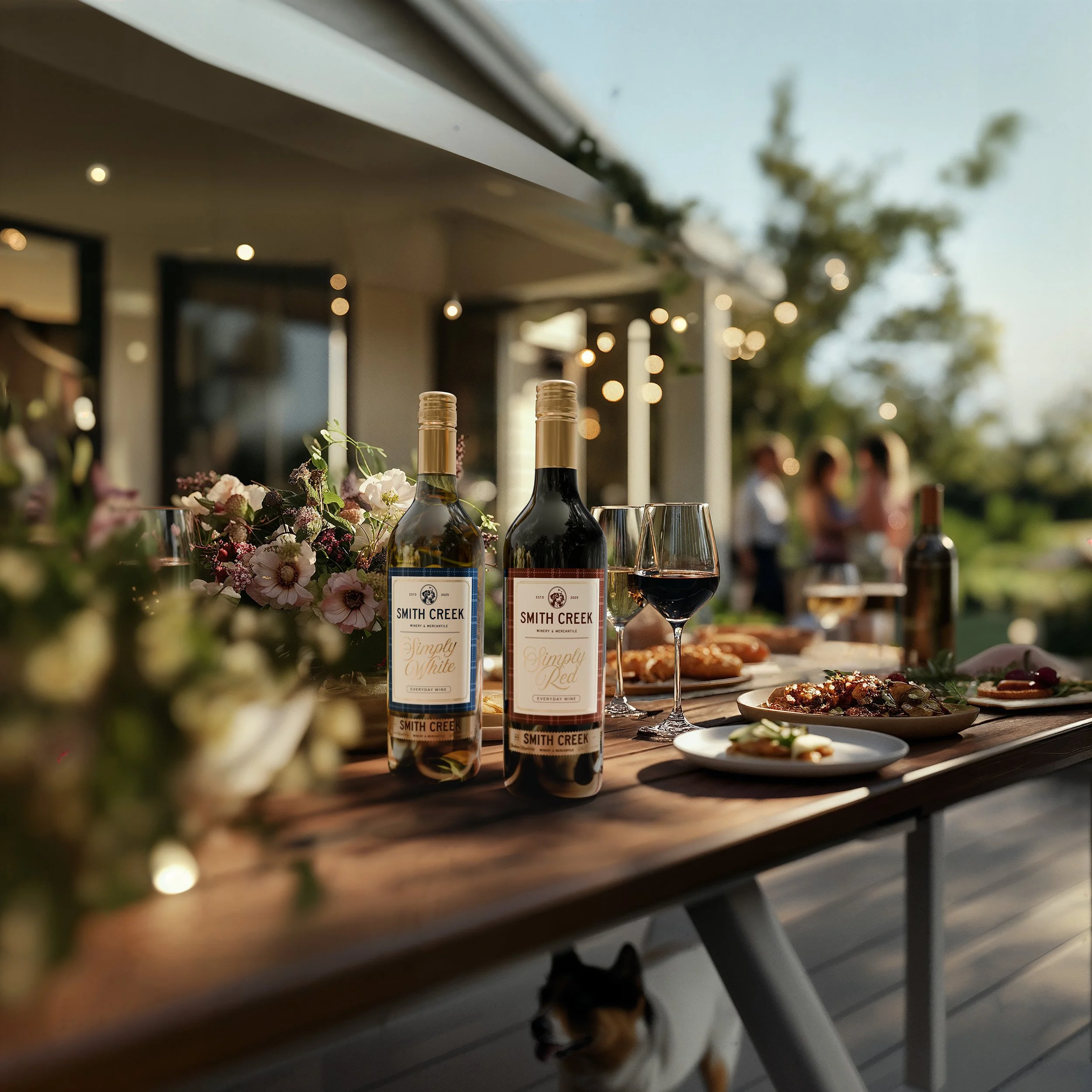
Most products focus on features. Lifestyle brands focus on belonging. That is the difference between selling a thing and building a world that people want to live in.
Creating a lifestyle brand is not about aesthetics alone. It is about shaping a point of view that your audience immediately recognizes as their own. At DesignScout, we have spent 22 years building lifestyle brands for wineries, restaurants, spirits, and consumer goods, and the pattern is clear. People buy the story they want to participate in. The product becomes the entry ticket.
Here is how you build a lifestyle brand with intention instead of guessing.
Key Takeaways
-
A lifestyle brand goes beyond selling a product. It creates a world that reflects the values, rituals, and identity of a specific audience. Your product becomes a symbol of belonging rather than the center of the story.
-
Start by creating a clear archetype, not a demographic. Define one fully realized person who embodies the world your brand belongs to. Identify what they value, how they live, and what they aspire to. This clarity drives every brand decision.
-
Your product should serve as an entry point to the world you are building. Instead of highlighting features, position the product as something that reflects who your customer is. People should feel that choosing your brand says something meaningful about their identity.
-
Consistency comes from a unified strategy. Your design, voice, photography, packaging, and marketing should express the same emotional point of view. When everything feels recognizable, you build trust and long-term loyalty.
-
Invite customers to participate. Share their content, create rituals they can adopt, and offer spaces where they can connect. When people feel seen and included, they begin co-authoring the brand, which is the strongest sign of a lifestyle brand taking root.
Begin with a clear definition of your person.
Lifestyle branding starts with understanding the person who embodies the world you want to create. Think deeply about how you can define a single persona for your target customer.
Go beyond simple things like demographics, age ranges, and household income, and really dig into the nitty-gritty of what makes them tick. What other brands do they interact with on a day-to-day basis? What causes do they support, and is it important to them if the brands they support uphold similar values? Don’t just ask who your customers are, but who they want to be – and how your product and brand can help them become the ideal versions of themselves.
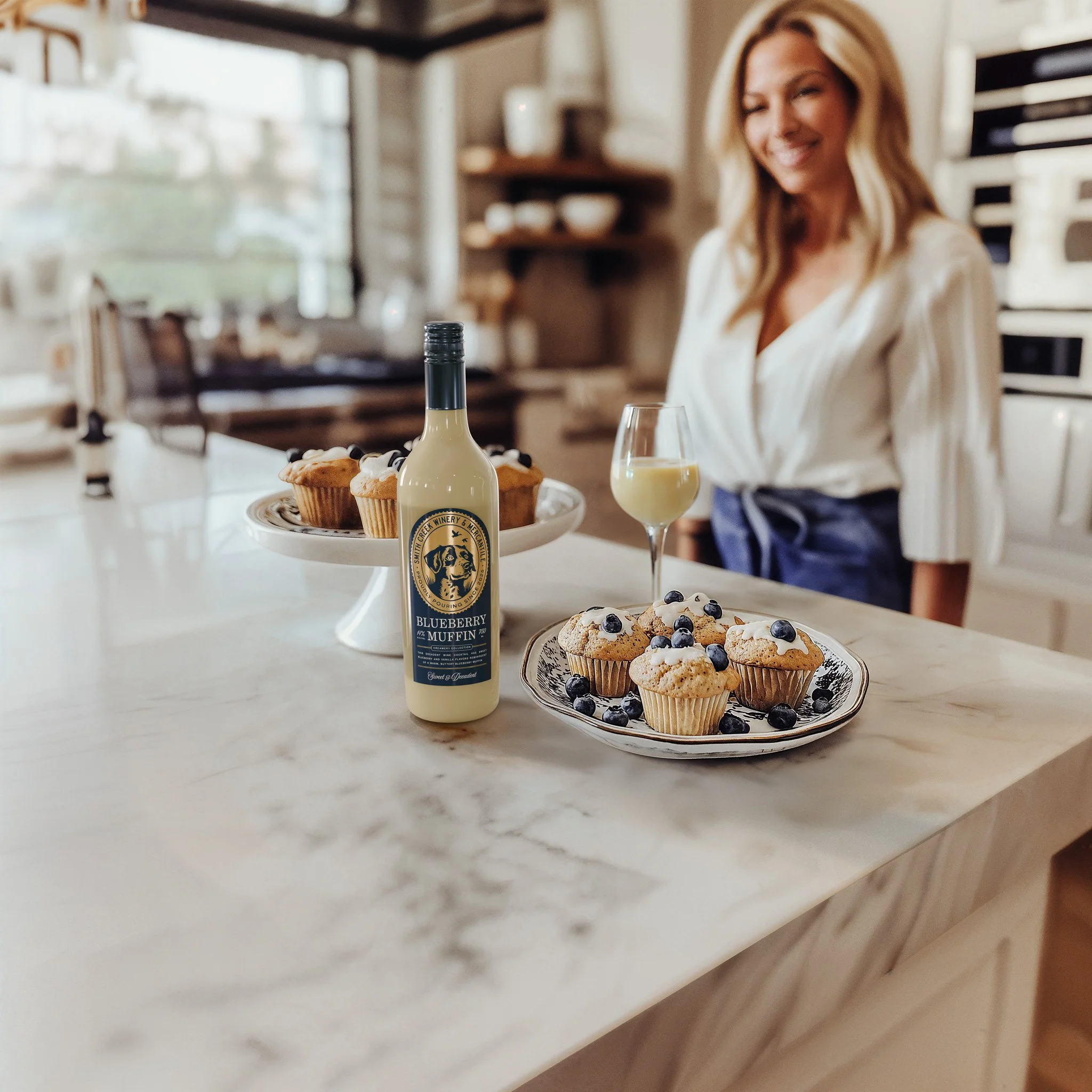
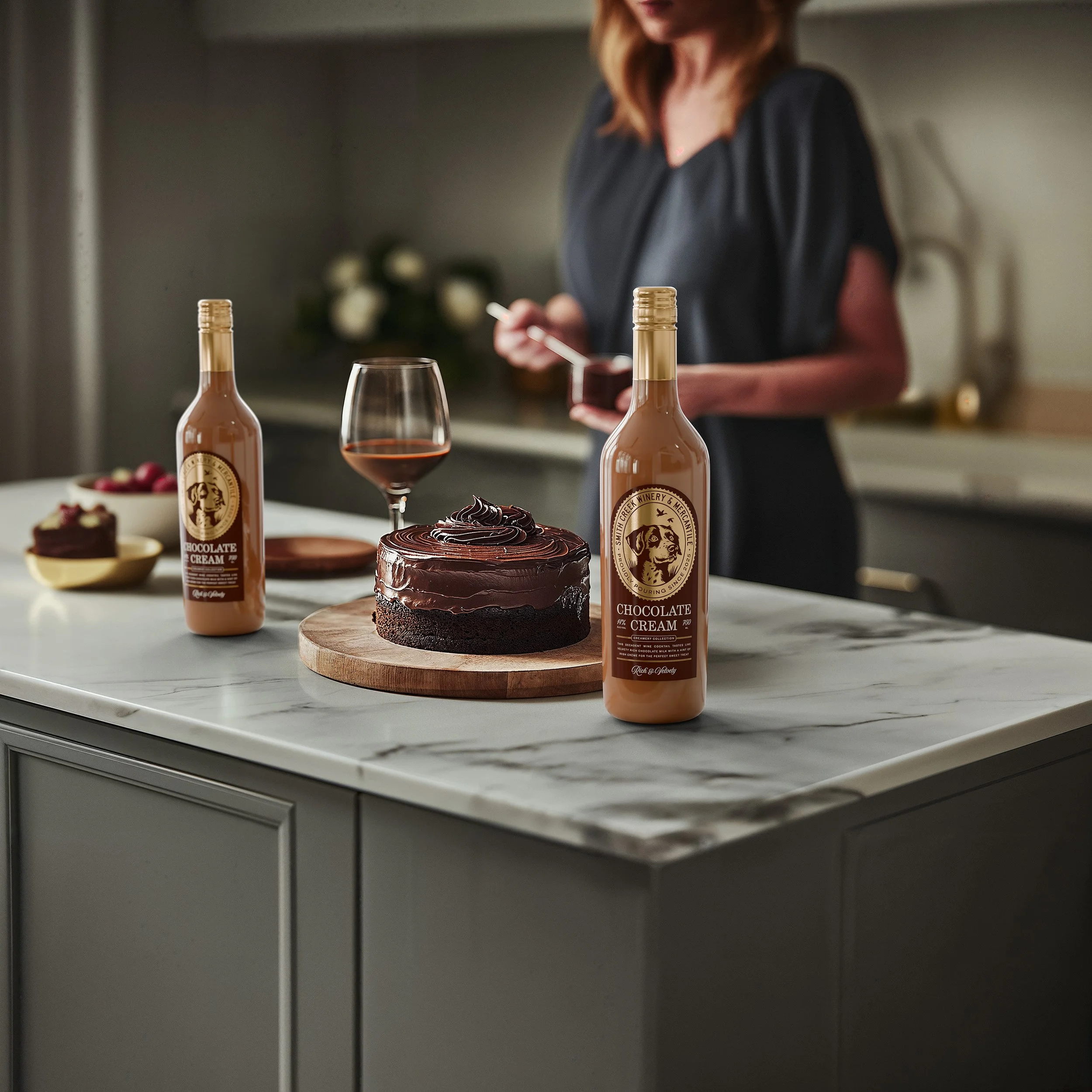
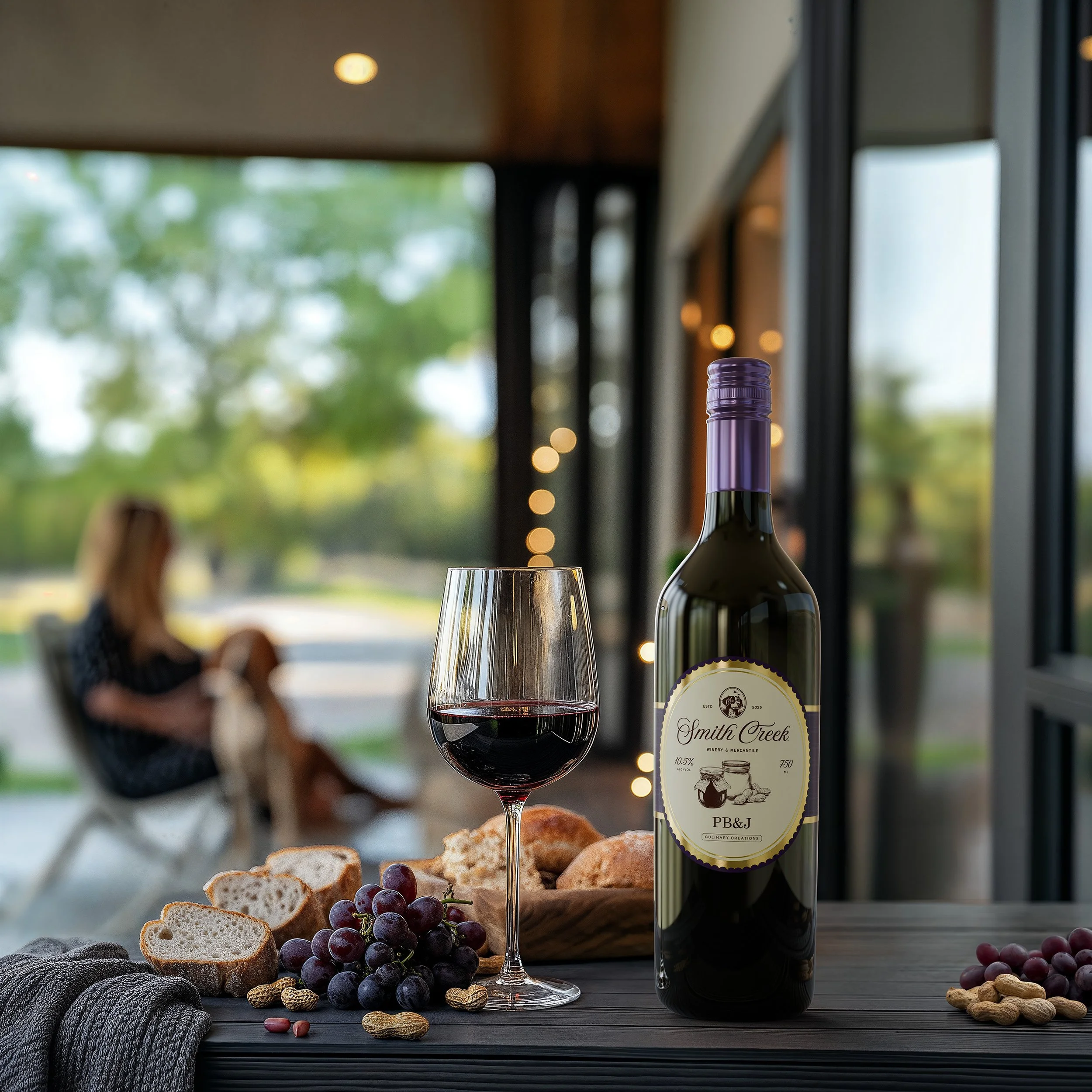
When the founders of Smith Creek Winery came to us, all they had was an idea: Start a wine brand from scratch. Make it appeal to Southern tourists. And build it to scale.
Before we ever put pen to pixel and started designing their brand assets, we got super clear on who their target audience was, creating an idea of a single woman who would embody the Smith Creek lifestyle. In the brand strategy document, we outlined exactly who this woman was.
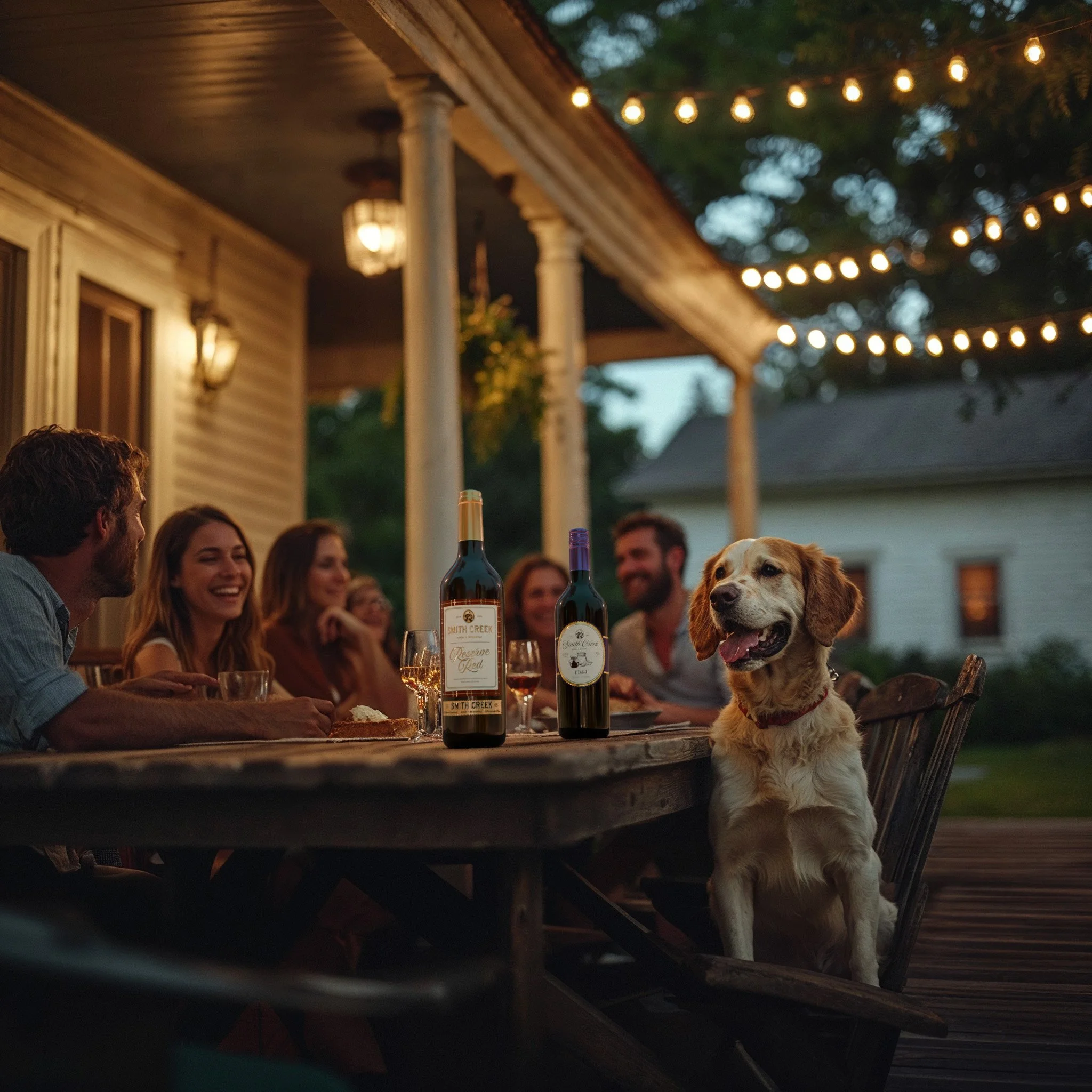
She’s a nurturer – the one who takes care of her family and friends. Her home is the basecamp for all memorable moments: celebrating family rites of passage, holidays, and Thursday night dinners. Everyone is welcome in her home, and she’s always ready to set another place.
She tells her story with food. There’s always something wonderful bubbling on her stove or baking in her oven. Her food centers around traditional Southern flavors and beloved family dishes, but she’s also open to modern interpretations of old favorites.
She appreciates the extra effort. She’s inspired to make things look and feel nice for her family and friends. To set a beautiful table. To pour a chilled cocktail into a proper glass. To tie a pretty bow.
She values time to herself. Shopping, going to the salon for a little self-care, getting a glass of wine with a girlfriend… these are all things that our target customer sees value in. She knows she’s better at caring for others when she takes care of herself, too.
From this exercise, we gained a crystal clear image of our ideal customer without once mentioning household income, education level, or job title. At every junction in the branding and design process, we thought back to her – would she like this? Would she connect with this mascot? Would she pick up this bottle of wine?


Build a world, not a product.
A world contains behaviors, rituals, objects, places, and expectations. If your product disappeared tomorrow, what would your community still believe in? That is the world.
Ask these questions:
What moments does this brand show up in?
What values does this person hold?
What do they reject?
What do they brag about?
How do they display their identity in daily life?
When you define a world, the visual identity becomes the passport that grants access to it. For Smith Creek, our ideal customer’s personality traits, values, and interests manifested in a variety of ways in the final brand system.
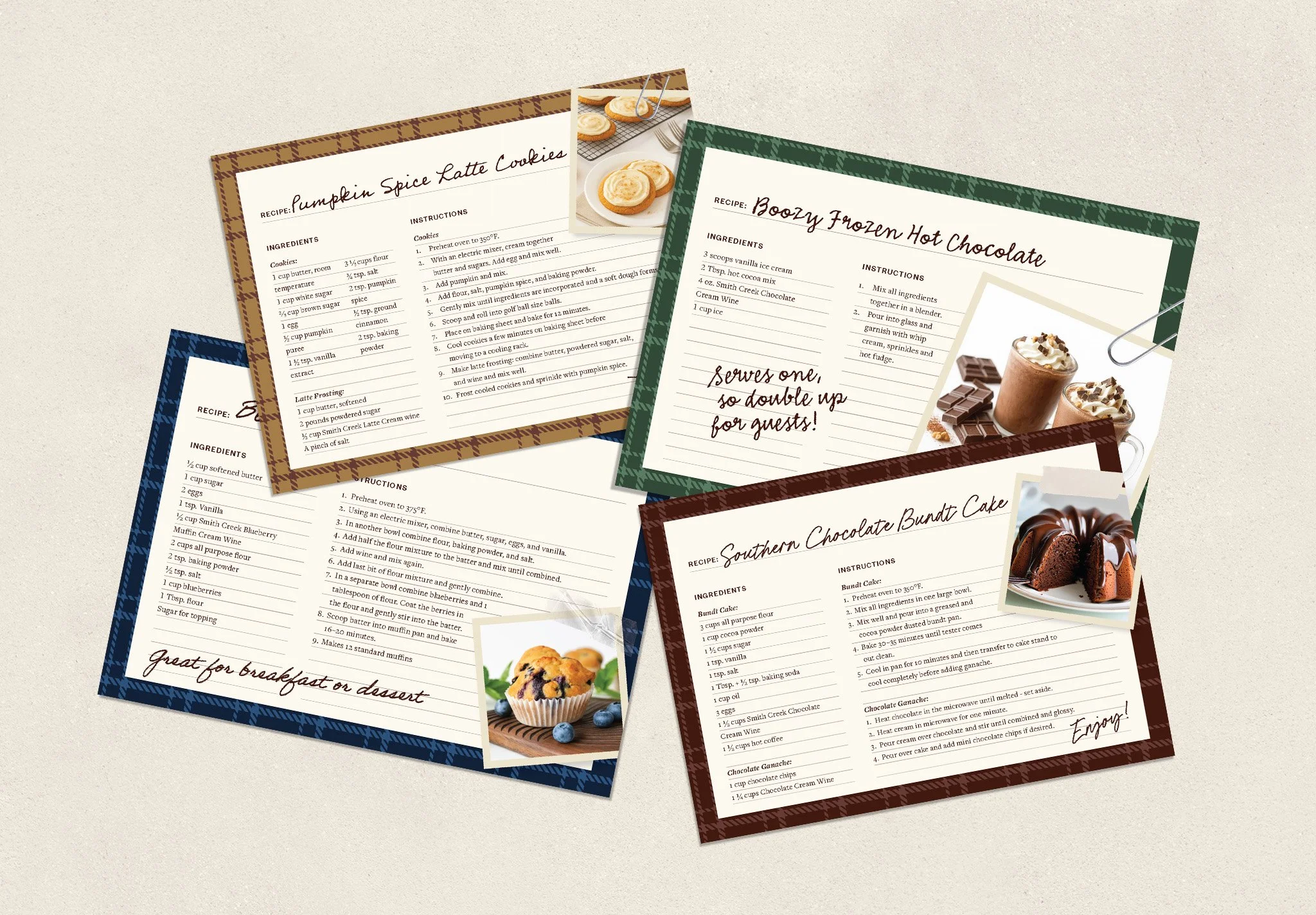
We created recipe cards to be included in every wine purchase, featuring party-ready recipes developed using Smith Creek wines.
We designed branded gift wrap, bags, and tags to make each purchase effortlessly giftable.
We encouraged the retail team to expand their offerings from branded merchandise to include home decor, gifts, pantry staples, beautiful tableware, and hosting essentials.
We designed merchandise that went beyond your basic logo tee shirt – thick, impossibly soft 100% cotton crew necks with luxurious felted lettering, embossed leather wine totes with brass hardware, knitted sweaters, engraved wood-hewn serving boards, and etched wine glasses.


Anchor everything to an emotional trigger.
Lifestyle brands succeed because they tap a desire that feels personal. That desire is often simple. Connection. Freedom. Play. Mastery. Status. Calm. Belonging. For Smith Creek, our core emotional triggers were warmth, connection, and nurturing.
Your job is to identify the emotional trigger that your audience will recognize instantly, then build consistent signals around it. This is where strategy beats guesswork. When brands try to create a lifestyle through aesthetics alone, they fail. When they connect emotion with meaning, they thrive.
Focus on storytelling, not selling.
Lifestyle brands do not shout. They invite. They do this through storytelling that feels specific and relatable. Not necessarily perfect and polished, but always real. Instead of focusing purely on product features and specifications, you want to give potential customers a glimpse into a world that they want to be a part of. Think of your brand as a documentary, not a commercial.
For Smith Creek, instead of focusing purely on how the wine tasted or what varietals we were offering, we created content around hosting, entertaining, and gathering – things like recipes made with Smith Creek wines, tips for curating charcuterie boards or dinner spreads that complement the flavors, and ideas for styling tablescapes for holidays and celebrations.


The Bottom Line
A lifestyle brand is not born from a mood board. It is built through clarity, strategy, emotion, and a world your customers want to step into. Your product is just the beginning.
If you want to build a lifestyle brand around your product, start with the person who will live in that world. Understand them deeply. Build a space for them. Invite them in. The rest becomes surprisingly easy.
If you are ready to turn your product into a lifestyle brand, reach out. We build brands that feel real, resonant, and unforgettable.